GENSTOR – 130 KW / 261 KWH
All in one C&I Energy Storage system
Diesel Generator Replacement BESS
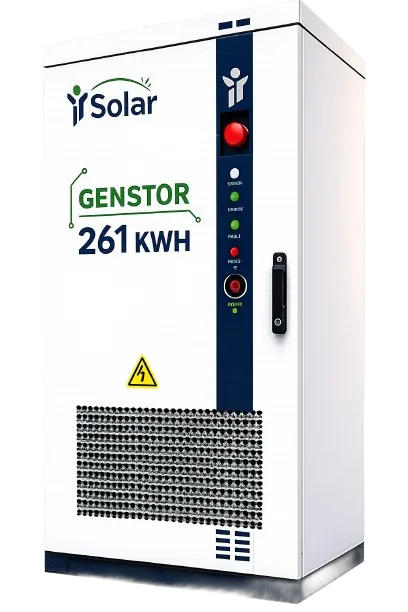
Diesel Generator Replacement BESS
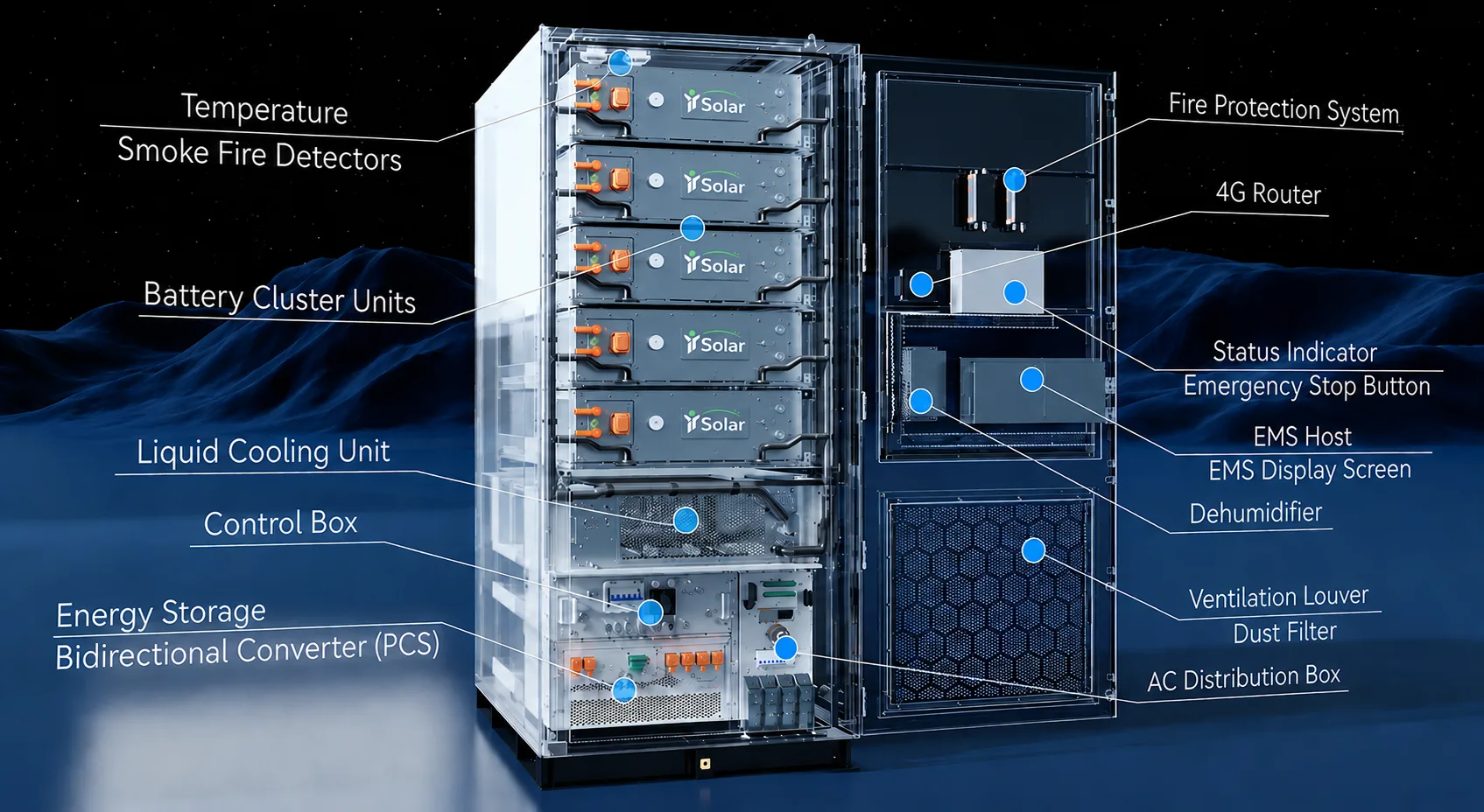
*Note: Product image is for illustrative purposes only and may differ from the actual product features based on Use case Requirements.
| Parameter | Specification |
|---|---|
| Battery Type | LiFePO₄ |
| Energy Capacity | 261 kWh |
| Rated Power | 130 kW |
| Voltage Range | 728 – 949 V |
| Grid Connection | 3/N/PE, 230/400 V, 50/60 Hz |
| Power Factor | 0.9 Leading ~ 0.9 Lagging |
| THDi | <3% |
| Cooling | Liquid (Battery) + Air (Electrical) |
| Protection Rating | IP54 |
| Fire Protection | Aerosol / Perfluorohexanone |
| Communication | RS485 / CAN (Modbus / IEC104) |
| Operating Temp. | -20°C ~ +50°C |
| Dimensions (W×D×H) | 1000 × 1400 × 2400 mm |
| Weight | ~2700 kg |
| Certifications | EN62477-1, EN IEC 61000, EN 50549, VDE, CEI 0-21, G99, NTS, TOR, NC RfG |
*Note: Specifications subject to change; as per the actual use case Requirement

Proactive Alert Cell-level monitoring, early warning
Multi-Level Protection Pack, cluster, cabin isolation
Fire & Explosion Prevention Triple fire protection, vent design

High Conversion System efficiency >=87%
AI-Powered Scheduling Optimized energy dispatch
Maximized ROI Peak shaving & other revenue streams

Cloud Diagnosis Fault identification in seconds
Remote Management Cloud-based monitoring & control
24/7 technical supporting Expert team always on watch

Plug & Play Pre-installed, powered on arrival
Time Saving Drastically reduces installation time
Scalable Design Modular expansion as needed
The GENSTOR 261 KWH system is designed for Commercial & Industrial energy storage applications including Diesel Generator replacement, peak shaving, solar energy storage, backup power support, and energy optimization for industrial facilities.
The system is based on LiFePO4 battery technology with 261 kWh energy capacity and 130 kW rated power. It includes liquid-cooled battery management, IP54 protection, integrated fire protection systems, and supports industrial communication protocols such as RS485 and CAN.
The system helps reduce diesel dependency, optimize energy consumption, improve power reliability, and support peak load management. It can also integrate with solar systems to improve renewable energy utilization and operational stability.
The system includes multi-level battery protection, thermal management, fire protection systems, emergency shutdown functionality, smoke and temperature detection, and integrated monitoring systems to support safe industrial operation.
Yes, the system supports remote monitoring and diagnostics through EMS and communication interfaces, enabling operational monitoring, fault identification, and performance management for industrial energy applications.


