Industrial Solar Background

Expert Open Access Energy Providers
for Cost-Optimized Power

Lower Power Costs. Higher Business Gains

Contact Us - 84482 95009

What Is Open Access Solar Power?

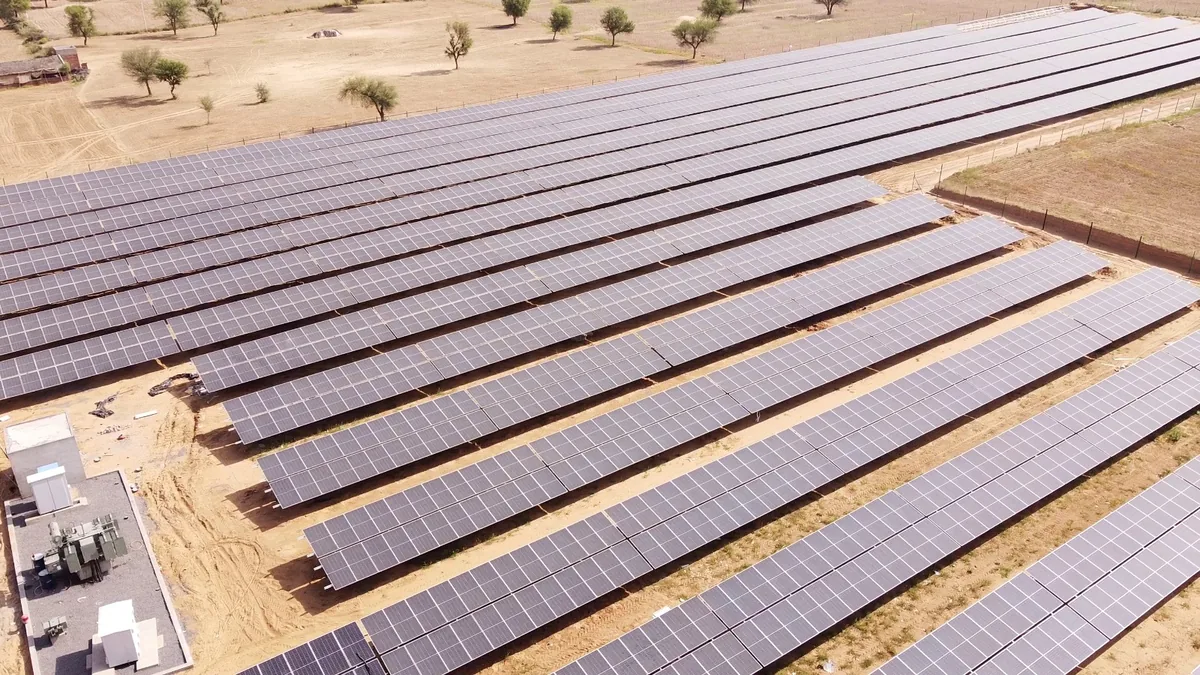
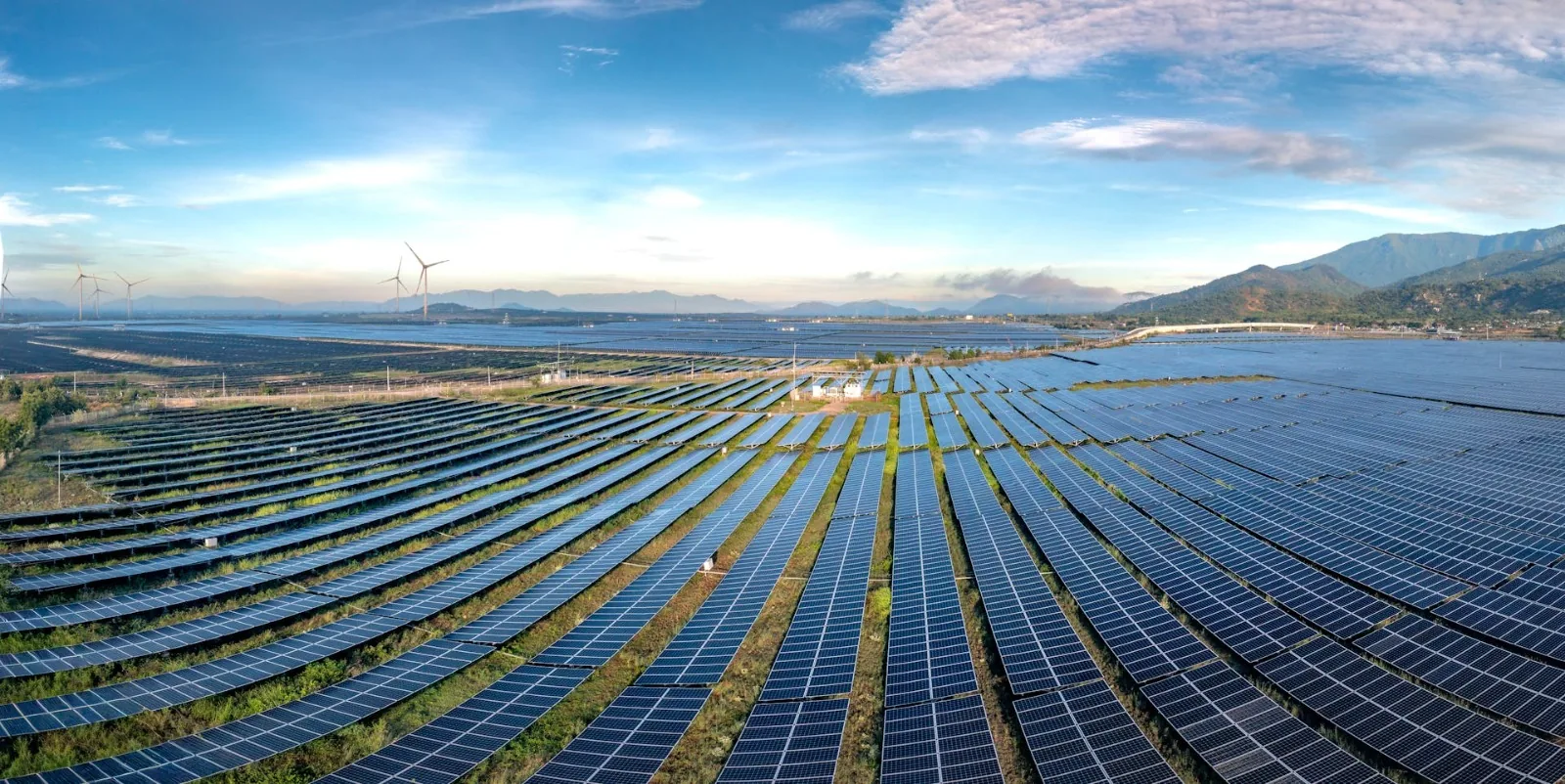
  • Open Access Solar Power allows businesses to buy solar electricity directly from a solar plant through the electricity grid instead of only depending on DISCOMs.
  • It helps industries and commercial users reduce electricity costs by 20%–50%.
  • The solar plant can be installed at a different location, so no rooftop space is required.
  • Open Access Solar supports green energy goals and reduces carbon emissions.
  • It is ideal for factories, malls, hospitals, warehouses, and large commercial establishments with high power consumption.
Get Started
What is Open Access Solar Power
Self Captive

Self Captive


In Self Captive, the consumer (or investor-consumer) makes a CAPEX investment (minimum 26% equity) in the solar plant and consumes power directly. The plant can be owned on-site or off-site. A PPA may exist for accounting purposes, but the consumer is effectively generating and consuming their own power.

Group Captive


In Group Captive, multiple consumers jointly invest (minimum 26% equity collectively) in a solar project and consume the generated power proportionally. This is a shared CAPEX model, and while a PPA may define terms of power allocation, the participants are co-owners of the asset.

Third Party - PPA


In a Third-Party PPA (Power Purchase Agreement), the developer invests in and owns the solar plant. The consumer signs a long-term PPA and purchases electricity at an agreed tariff, with no upfront capital investment.

Open Access Solar: Model Comparison

Self Captive
Group Captive
Third-Party PPA
Ownership
Self Captive

Plant Owned by Single
Consumer 26%

Shared Ownership by
Group of Consumers 26%

only PPA Agreement

CAPEX

Self Captive 26 Equity

Group Captive 26 % Equity

0% Ownership
(Developer)

Risk &
Complexity

Moderate

Reduced Surcharges

Zero Investment
Fixed Tariff

Compliance

Own Generation
License

Shareholding Agreement

Power Purchase
Agreement

Best For

Large Single Site,
ESG Focus

Multi-Site, CSS
Avoidance

Cost Savings,
No Hassle
For which organizations is open access solar the most viable solution?

Businesses that have

Businesses that have

  • Contract demand of 100KW or more
  • High daytime electricity consumption
  • Operations in key solar-friendly states such as: Haryana, Uttar Pradesh, Punjab, Chhattisgarh & Also to remove “Maharashtra, Karnataka, Telangana, Andhra Pradesh
  • Limited rooftop space or preference to avoid upfront CapEx
Ideal user segments

Ideal user segments:

  • Manufacturing units and factories
  • FMCG and textile units
  • Pharmaceutical production facilities
  • Hospitals and data centres
  • Warehouses, IT parks, and large commercial buildings

Why Choose Innocepts Solar
for Open Access Service

GET STARTED
Proven Solar EPC
Expertise
End-to-End Project
Execution
Regulatory Approval
Support
Customised Business
Solutions
Long-Term Service
Assurance
Strong Industry Track
Record

How Innocepts Solar Works for Open Access Service

Step 1. Energy Audit & Feasibility Assessment and Solution Design

We begin with a detailed review of your electricity consumption data covering at least 12 months along with Load Survey Report from DISCOM. This helps us understand your load profile, sanctioned demand, tariff category, and RPO obligations, and model what open access solar can deliver in real savings with Steady Captive Status.

Step 2. Identify and Develop the Solar Power Plant

We identify a suitable site for the open access solar power plant within the appropriate grid zone, ensuring optimal irradiation, proximity to substation infrastructure, and alignment with state-specific solar open access policy requirements.

Step 3. Structure the Power Purchase Agreement (For PPA)

We design a PPA tailored to your load profile, risk appetite, and growth plans. The agreement typically runs between 15 and 25 years, locking in a solar tariff that provides cost certainty for the entire term and protects your business from future grid tariff escalations.

Step 4. Regulatory Approvals and Grid Connectivity

We manage all filings with the State Electricity Regulatory Commission (SERC), DISCOM, and State Load Despatch Centre (SLDC), including open access applications, banking agreements, and scheduling permissions.

Step 5. Plant Construction and Commissioning

Our EPC team develops and commissions the open access solar power plant using high-quality modules, inverters, and mounting systems. Robotic / Manual panel cleaning, remote monitoring, and preventive maintenance are built in from day one.

Step 6. Power Scheduling, Wheeling, and Billing

Once commissioned, power generated at the plant is scheduled and wheeled to your facility through the state grid. You receive energy invoices from the generator. Your conventional DISCOM bill reduces proportionately. Innocepts Solar supports metering reconciliation, scheduling compliance, and periodic performance reviews throughout the contract term.

Features of Innocepts Solar for Open Access Service

Features of Innocepts Solar

FAQ for Open Access Service

Open-access solar supplies power from an offsite solar plant, while rooftop solar is installed directly on your building rooftop.
Typically, a sanctioned load of 100 kW or more is required, depending on state regulations.
Businesses can usually save around 20%–50% on electricity costs compared to DISCOM tariffs.
The approval process generally takes between 30–90 days, based on the state and utility approvals.
Yes, consumers usually need to invest a minimum 26% equity share in the solar project under the Group Captive model.
Enquiry